
Pages
Stay In Touch
More
© 2026 The Somerville Times. All rights reserved.

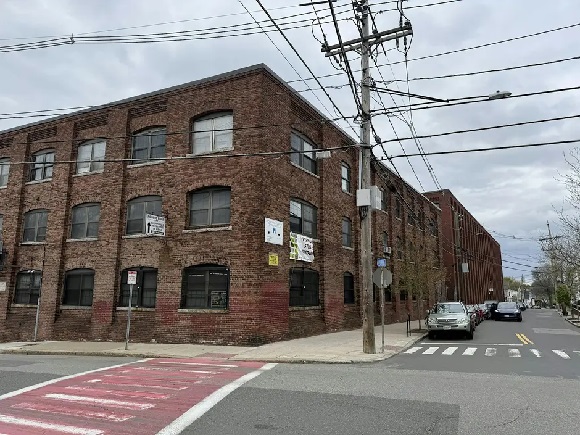
Vernon Street Studios.
By Mina Rose Morales
While filming her documentary A Matter of Light, Anne Continelli uncovered a hidden truth that changed the film’s original storyline: Artists face economic displacement.
“These people are being priced out,” said Continelli.
Continelli intended to “tell the genesis” of Vernon Street Studios. When Maud Morgan, the founder, spotted the property, she invited others—Karen Moss, Clara Wainwright, Flora Natapoff, and Bill Jacobson—to join her in renovating the space, which began in 1974. The building was originally one of Rogers Foam Corporation’s factory warehouses. Rogers Foam is still part of the building. Many credit Vernon with starting the migration of artists into Somerville. It transformed Somerville from a sort of industrial-rundown town to a vibrant one, according to Continelli.
For years, Vernon Street Studios remained hidden in plain sight as onlookers only noticed the famous Rogers Foam factory. Thanks to Somerville Open Studios, a free annual arts event and day when artists showcase their work throughout Somerville, the community noticed the arts building.
“And then when Open Studios happened, all these people who lived down the street would come in and marvel that this jewel was right in the middle of their neighborhood, and they didn’t know what went on here,” said Clara Wainwright in the documentary.
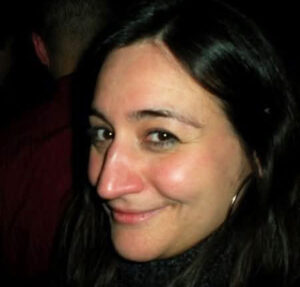
Anne Continelli, Director and Producer of A Matter of Light. — Photo courtesy of Anne Continelli
The Somerville Museum screened the documentary on Wednesday, July 29. Continelli interviewed many artists who explained the importance of art and creative workspaces. The creatives also explained the difficulties artists face economically due to escalating costs.
“It gives it cachet. It gives it class. It gives it importance. And art is crucial to the spirit,” said early artist Adele Travisano.
Steven Cabral is part of one of the fresh waves of artists at Vernon and deeply enjoys its community. Like many, he doesn’t know where artists will go if they’re displaced. Most art studios are very expensive, according to Cabral.
Nationally, more than 57% of artists reported that they are worried about living expenses such as housing, food, utilities, or medical care, according to the Mellon Foundation’s National Survey of Artists. About 22% of artists expressed concerns about not having enough to eat, while 32% worried about covering medical costs.
“I try to sell all the time, but it’s hard. Art is expensive, and people can’t just plunk down the amount of money that it costs to buy something,” said early artist Jane Sherril.
Continelli believes there’s hope for the future. She offered a possible solution: The city should continue to help protect artists. She also believes people’s choices can keep housing affordable. If she sells her home, she plans to pass it on to first-time homeowners instead of to a developer.















Reader Comments