
Pages
Stay In Touch
More
© 2026 The Somerville Times. All rights reserved.

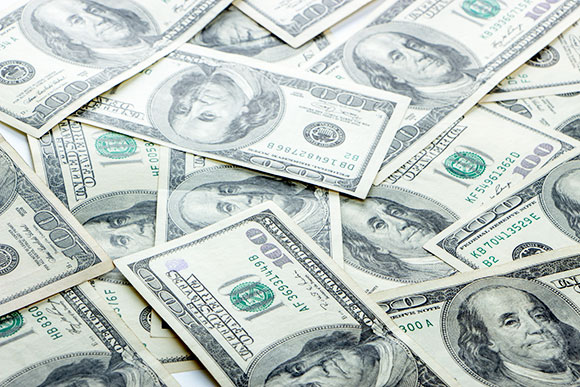
A: A refund is generally better than facing a large tax bill, but a large refund is not the ideal outcome either.
Here’s why:
• Your refund is based on payments made during the year.
Taxes are often paid throughout the year through paycheck withholding and estimated tax payments. When those payments exceed the actual tax shown on your return, the difference is refunded.
• A large refund means your tax payments during the year exceeded your actual tax liability.
In other words, you paid more tax during the year than was ultimately required based on your tax return.
• Tax law changes can affect refunds.
For some taxpayers, provisions of the OBBBA reduced their 2025 tax liability, which may have contributed to larger refunds when their returns were filed.
• The goal is usually to be reasonably close.
Most taxpayers are best served by avoiding both a large refund and a large balance due. The closer your payments are to your actual tax liability, the more control you have over your cash flow during the year.
Bottom Line:
If you received a large refund for 2025 and your income, family situation, and deductions have not changed significantly, it may be worth reviewing your withholding or estimated tax payments. A modest adjustment could increase your take-home pay throughout the year while still helping you avoid an unpleasant surprise at tax time.
Any questions? I’m Vincent Hicks, a CPA based in the Cambridge–Somerville area. Reach out at vincent@hickscpasolutions.com or (859) 553-0788.















Reader Comments