
Pages
Stay In Touch
More
© 2026 The Somerville Times. All rights reserved.

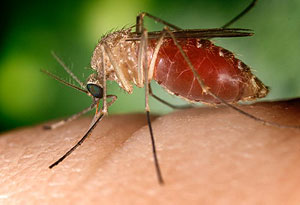 Somerville Health and Human Services is sharing that testing by the Massachusetts Department of Public Health (MDPH) has detected West Nile Virus (WNV) in mosquitoes collected from Somerville. Somerville remains at a “Low” risk level for WNV. The first WNV-positive mosquitoes in the state this year were collected on June 16, and 21 mosquito samples have now tested positive for WNV. There have been no animal or human cases of WNV reported in the state so far this season.
WNV is usually transmitted to humans by the bite of an infected mosquito. While WNV can infect people of all ages, people over the age of 50 are at higher risk for severe infection. Although Somerville’s risk is low, community members are still encouraged to take precautions to protect themselves from mosquito bites and mosquito-borne diseases. MDPH recommends the following safety measures:
Avoid Mosquito Bites
Mosquito-Proof Your Home
Mosquito-borne Illnesses
Both WNV and Eastern equine encephalitis (EEE) are usually transmitted to people through the bite of an infected mosquito. Only a small number of mosquitoes are infected at any given time, so being bitten by a mosquito does not mean you will get sick. For more information on preventing mosquito-borne diseases, visit mass.gov/mosquito-borne-diseases.
The state does seasonal testing for WNV and EEE and updates town-specific risk levels where WNV- or EEE-positive mosquitoes are found. You can check risk maps throughout the summer at mass.gov/info-details/massachusetts-arbovirus-update.

















Reader Comments